Why Some Homes Sell Faster Than Others in the Same Neighborhood
A home’s location can attract buyers, but it does not guarantee a quick sale. In the same neighborhood, one property may receive strong interest right away while another remains on the housing market much longer.
Understanding why that happens can help sellers make better decisions before listing. Justin Johnson Realty explains what can influence a buyer’s choice and how homeowners can improve their chances of standing out nearby.
What Factors Help a Home Sell Faster Than Nearby Properties?
Homes sell faster than nearby properties when they are priced well, in good condition, easy to view, and presented clearly. Buyers also compare curb appeal, layout, features, listing quality, and the seller’s flexibility during negotiations.
Even homes on the same street can get very different results. Small differences in price, condition, and presentation can make one property feel like the better choice.
Competitive Pricing
Price is one of the first things buyers compare when looking at similar homes. A property priced close to its market value is more likely to attract attention because people comparing houses see it as a reasonable option in the neighborhood.
When a home is priced too high, buyers may skip it in favor of a nearby property that appears to offer better value. This can reduce showings and cause the listing to sit on the market longer, even if the home itself is appealing.
Strong Curb Appeal
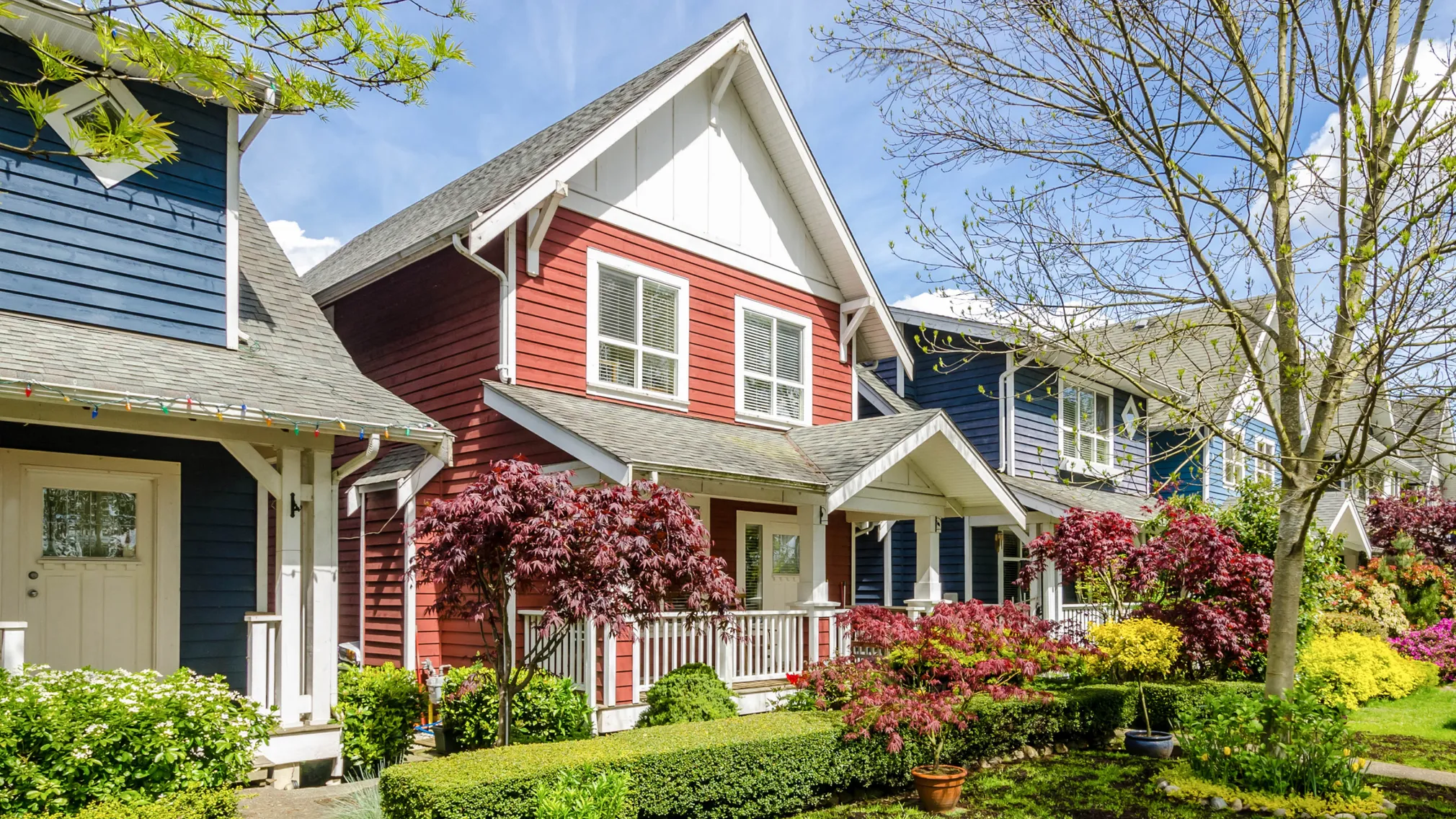
Curb appeal influences how buyers feel about a home before they walk through the entrance. A clean, well-maintained lawn and exterior suggest the property has been cared for, which can create a stronger first impression.
If the landscaping and the house’s exterior look neglected, those looking to buy may assume the interior or major systems have also been overlooked. That early concern can lower interest before they even have had a chance to see the rest of the home.
Good Overall Condition
A good home condition gives buyers more confidence in the purchase. When the property looks well-maintained, those looking to buy are less likely to worry about immediate repairs, hidden problems, or additional costs after closing.
Visible wear or unfinished maintenance can cause homebuyers to question the home’s value, even when the issues are minor. A property that feels dependable and ready to use is usually easier to consider than one that appears to need ongoing work.
Clean and Appealing Presentation
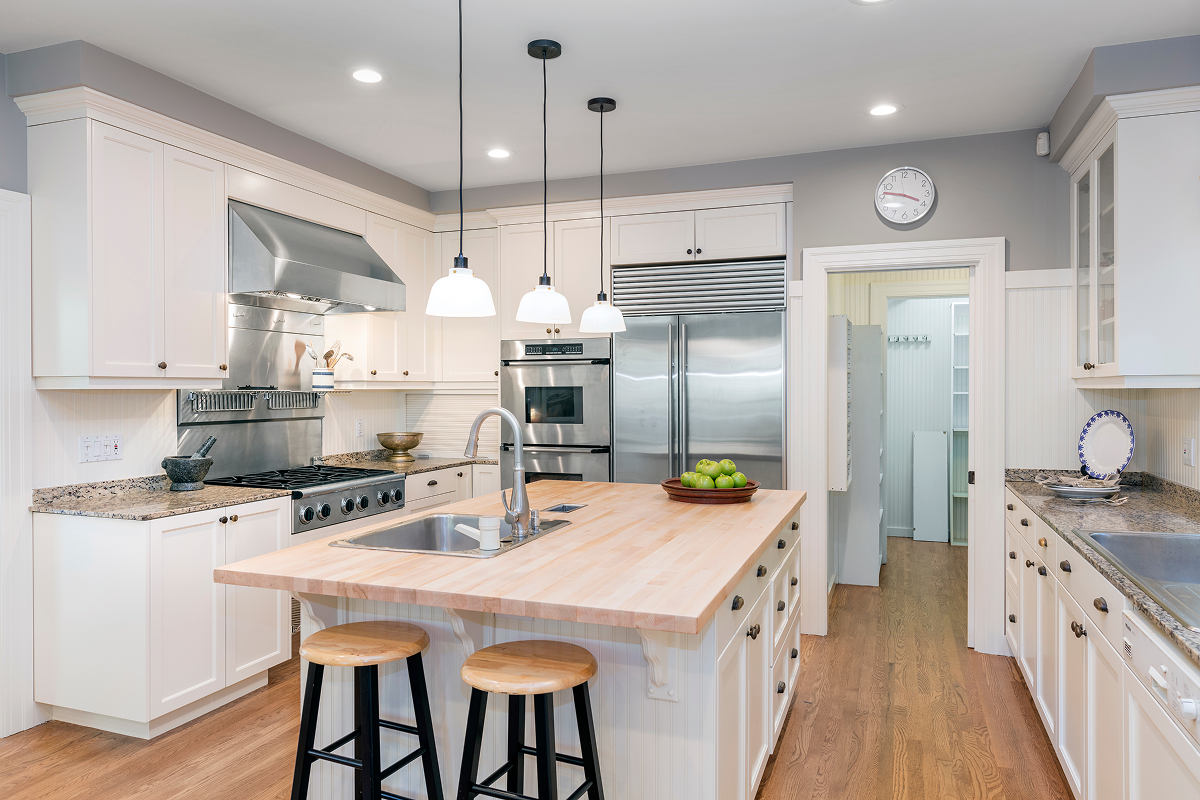
How a property is presented in an open house showing will affect how buyers understand the size, layout, and function of a home. Cleaning and decluttering your house makes it easier to see each room clearly and focus on the space’s features.
Poor home staging can undersell its good features and even make it less appealing or functional than it actually is. Since many prospective homeowners first view a property online, the presentation in the listing photos also influences whether they schedule an in-person showing.
Desirable Features and Layout
Just because homes are in the same neighborhood does not necessarily mean they have the same features and layout. It’s natural for buyers to prefer one property over another based on their preferences for natural light, storage, floor plan, room flexibility, or living spaces.
These differences can make one house feel easier to live in for one buyer and make it less appealing for another. A property that better matches a prospective homeowner’s needs is more likely to move to the top of their list.
Clear Communication of Location and Nearby Amenities
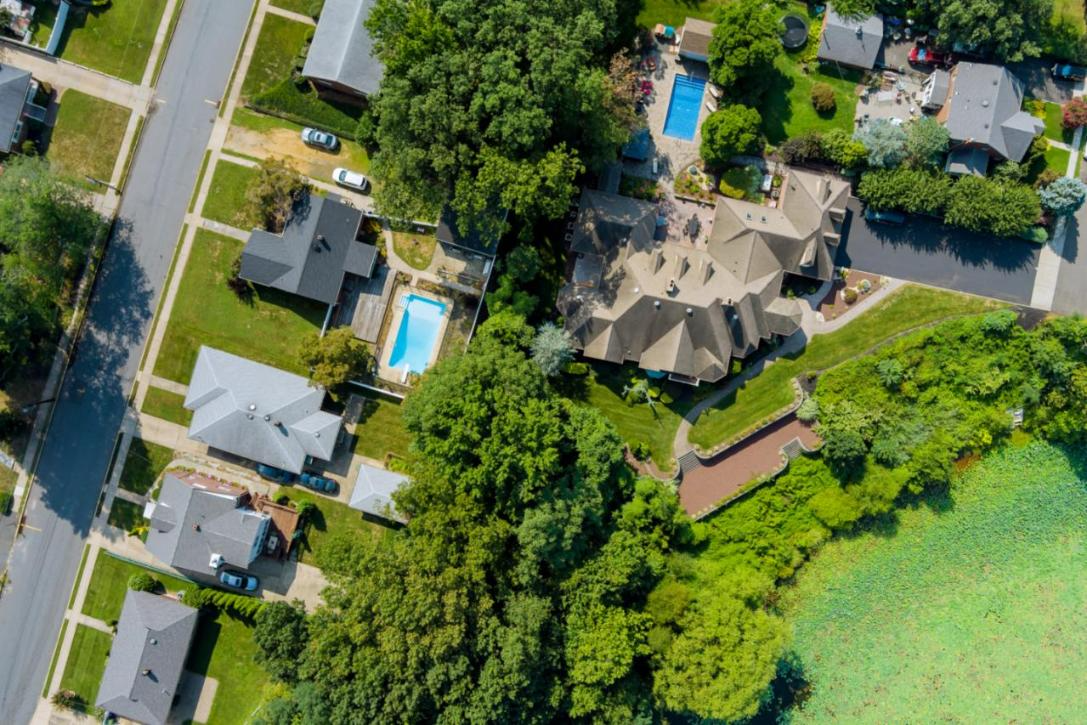
Location factors influence buyer interest. A house may be closer to parks, schools, shopping, public transportation, or other nearby amenities that make daily life more convenient. Differences in traffic, noise, walkability, and access can also affect how buyers compare houses.
Clearly communicating these advantages can attract buyers who prioritize the amenities near the house. It can make the property stand out from similar active listings that do not highlight these benefits.
Effective Online Marketing
Most people looking for a house begin their search online, so a property’s quality and number of online listings directly affect how quickly it sells. The more online views a listing receives, the more opportunities it has to attract qualified buyers and generate showings.
Effective online marketing combines strong visuals through high-quality photos and home virtual tours, an accurate property description, and good screen appeal. These elements allow buyers to understand the property’s value quickly, compare it with nearby properties, and decide whether it is worth seeing in person.
Convenient Showing Availability
Buyers often view several homes within a short period. A property that is easy to schedule is more likely to be included in those tours.
Even with strong market demand in the area, poor availability limits the number of buyers who see the home. As a result, some buyers are more likely to choose another property rather than wait, especially when similar properties are available nearby.
Favorable Market Timing
The balance between buyer demand and available inventory affects how quickly a home sells. When there are fewer competing listings and high buyer activity, a well-positioned home is more likely to attract attention quickly.
When many similar properties are listed at the same time, there’s more market supply for buyers to choose from, which can increase the time they need to make a decision. The current real estate market trend does not determine the outcome on its own, but it influences the amount of competition a seller faces.
Seller Flexibility During Negotiations
A home can sell faster when the seller is willing to consider more than just the offer price. Buyers may ask for a specific closing date, help with certain closing costs, repairs after the inspection, or the inclusion of appliances and other items.
A seller who is open to negotiating and reasonable contract terms is more likely to reach an agreement sooner. This is why it’s important to know which requests are manageable and which ones are important enough to negotiate.
Positioning Your Home Against Competing Properties
Sellers do not need to outperform every home in the neighborhood. They need to give buyers a clear reason to choose their property over the other options available at the same time.
To position a home more effectively:
Attractive Property Visuals
Declutter each room and ensure there is good lighting before taking professional-grade photos or creating a 3D walkthrough. Strong visuals can help buyers understand the space and encourage more of them to schedule a showing.
Comparable Homes
Focus on recent comparable sales and listings with a similar price range, size, condition, style, location, and number of bedrooms and bathrooms rather than every home in the neighborhood.
Competitive Features
Look for differences in updates, outdoor space, storage, layout, maintenance needs, location advantages, and overall move-in readiness.
Key Selling Points
Highlight the home features most likely to matter to buyers, such as a larger yard, quieter street, flexible room, recent improvements, or better storage.
Potential Trade-Offs
Consider whether the home has an older kitchen, less outdoor space, more maintenance, limited parking, or another feature that may affect how buyers compare it with nearby options.
Addressing Buyer Concerns
Complete practical repairs, clarify how a space can be used, organize important property information, or make small changes that reduce hesitation.
Clear Property Value
Provide specific details about updates, major systems, useful features, included items, and improvements that may save the buyer time or expense.
Buyer Questions
Gather information about repairs, permits, utility costs, property boundaries, maintenance history, and anything else that may affect the buyer’s decision.
Showing Feedback
Listen carefully to recurring comments, inquiries, and concerns from multiple sources rather than responding hastily to just one person’s viewpoint.
Targeted Adjustments
Change the marketing, presentation, terms, or overall positioning based on the specific issue affecting people’s interest.
Local Market Insight
A real estate professional, like Justin Johnson Realty, can help identify the closest competing properties, explain how buyers are responding to them, and determine where the property has the strongest advantage.
Every neighborhood is different, and the right home selling strategy can affect how quickly your property sells. Justin Johnson Realty can help you understand the local real estate market, choose the improvements worth making, and set an asking price that reflects current buyer demand.
Contact us today to get the best results from selling your house.