
How Can Sellers Prepare Their Home for a Fall Listing?
Fall can change how a property looks and how buyers experience it during the listing period. Shorter daylight hours, fallen leaves, cooler temperatures, and changing weather can affect curb appeal, maintenance, photography, and showings. Understanding these seasonal considerations can help sellers prepare the property without overlooking details that may become more noticeable in the fall.
Justin Johnson Realty can help sellers assess what their property may need before listing. This guide covers practical ways to prepare a home for fall, from improving its condition and appearance to getting it ready for photos, showings, and pricing discussions. Sellers can also use these steps to make the home selling process more organized.
How Can Sellers Get Their Home Ready for a Fall Listing?
Preparing a property for a fall listing involves more than cleaning and taking photos. Sellers should address basic home maintenance, improve the property’s presentation, and make sure the space is ready for potential buyers as homebuying activity changes.
The following steps can help sellers prepare the property while focusing on practical updates that do not require unnecessary renovations.
1. Take Care of Necessary Repairs
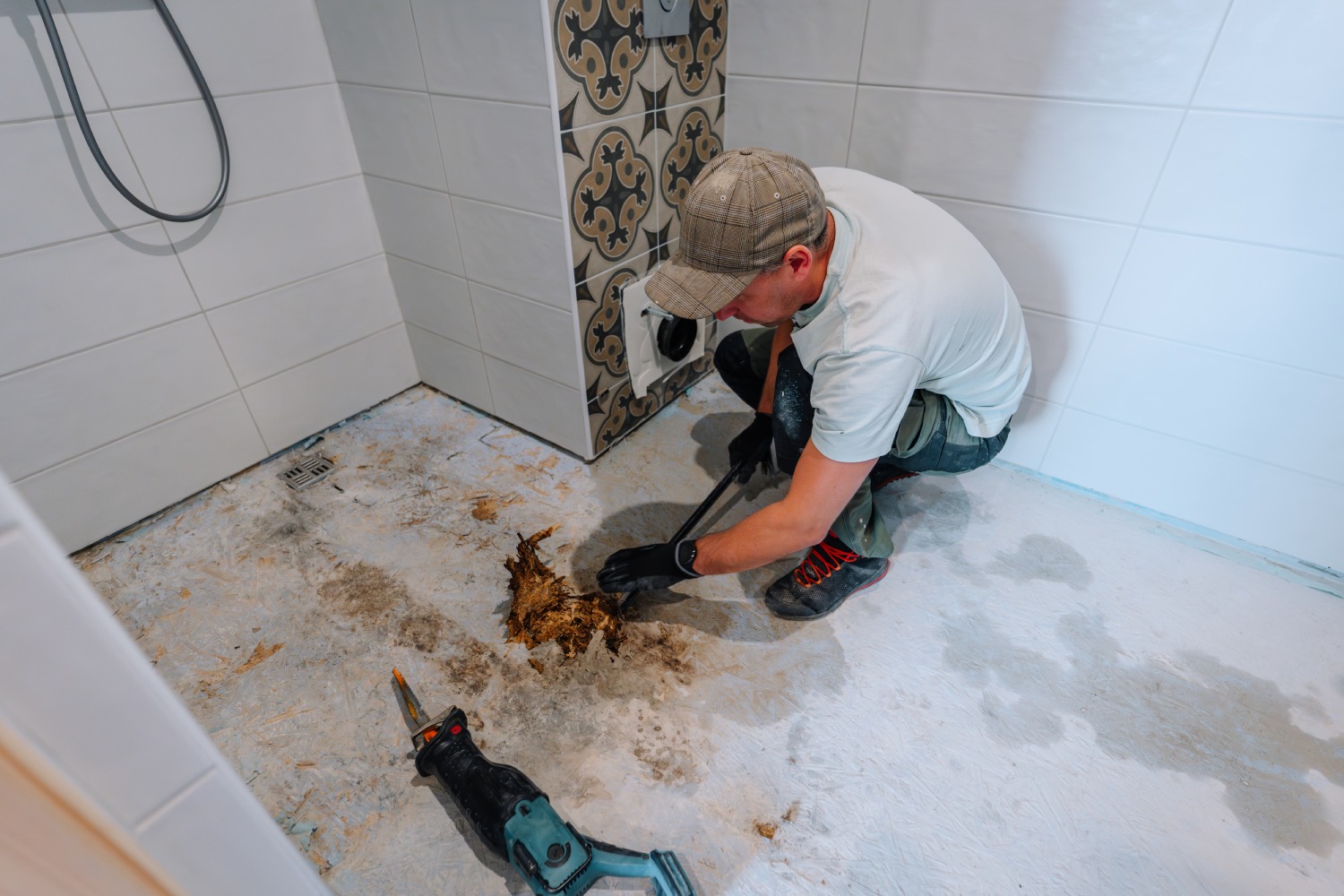
Walk through the house and address noticeable issues such as leaking faucets, damaged flooring, loose railings, peeling paint, and broken fixtures. These could make potential buyers question the overall condition of the property. Fixing these problems before listing prevents buyers from raising concerns about the property’s asking price.
Pay attention to seasonal systems as well. Have the HVAC system checked if it has not been serviced recently, replace dirty filters, and address known heating or cooling problems before showings. Taking care of these issues early can give sellers more time to handle unexpected repairs.
2. Improve Fall Curb Appeal
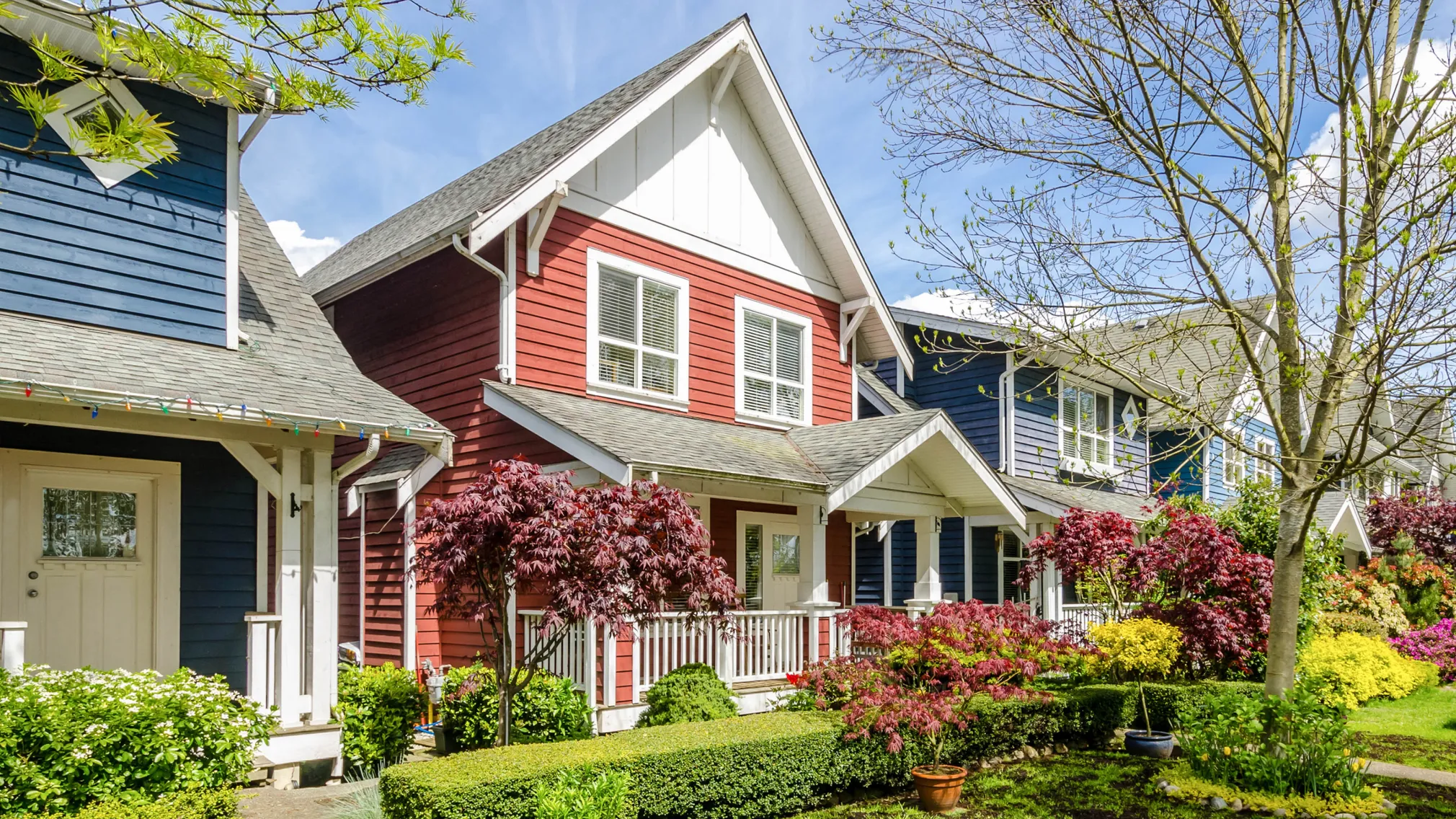
Keep the exterior clean and well-maintained by mowing the lawn, removing weeds and fallen leaves, trimming overgrown shrubs, and cleaning the entryway. Simple touches, such as seasonal planters or a tidy entryway, can improve appeal without major landscaping work. Make sure the front door, porch, and other visible areas are also free of clutter and debris to improve the home’s curb appeal.
Because fall days are shorter, check exterior lighting before evening showings. Replace burned-out bulbs and ensure entryways, steps, driveways, and walkways are well lit. Good lighting can also make these areas easier for buyers to navigate safely.

3. Declutter and Deep Clean
Fall weather can bring leaves, moisture, and seasonal items into the home, making entryways and floors more difficult to keep clean during showings. Remove excess furniture, decorations, and clothing, and keep coats, boots, and other fall items organized to prevent rooms and entryways from feeling crowded. Sellers should also limit excess home decor that could make the space feel cluttered.
Clean windows, floors, appliances, bathrooms, and other visible areas before listing. Also organize closets, garages, and storage areas so buyers can see the available space. Address noticeable odors or stains rather than covering them with strong fragrances.
4. Make the Interior Easier to See
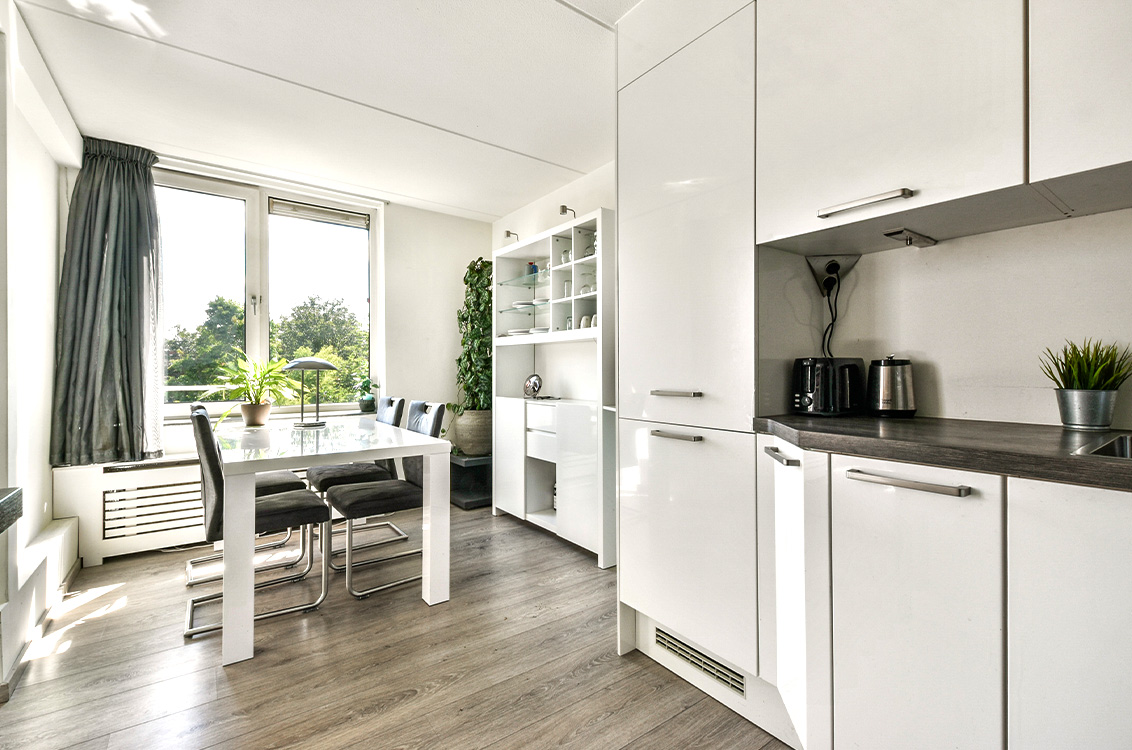
Arrange furniture to create clear walking paths and make each room feel open and functional. Remove excessive personal items and seasonal decorations while keeping enough furniture to show how each space can be used. Keep fireplaces, large windows, and other important features unobstructed so buyers can see them clearly.
Fall brings shorter daylight hours, so make the most of available natural and artificial light during showings. Open curtains and blinds during daytime appointments, and replace burned-out bulbs to keep rooms well-lit.

5. Prepare the Property for Fall Weather
Check the property for seasonal maintenance issues before listing. Clear leaves and debris from gutters and downspouts, check drainage, and look for visible signs of moisture around windows, doors, ceilings, and other areas. Addressing these concerns early can help prevent minor maintenance issues from becoming more noticeable during the listing period.
Have the heating system checked if needed and address known problems before showings. Taking care of maintenance concerns early can also help sellers avoid surprises during the buyer’s home inspection. Sellers may also consider pre-listing inspections to identify potential issues before putting the property on the market. Keep exterior paths and entrances clear, as leaves, rain, and changing weather conditions can affect these areas.

6. Decide Which Updates to Make Before Listing
Not every outdated feature needs to be replaced before a fall listing. Sellers should focus on repairs or improvements that address noticeable problems, improve functionality, or affect how the property looks during fall showings. Avoid taking on major projects simply to make the home feel newer.
Consider the cost, timeline, and potential benefit of any major project before starting it. A real estate professional can help sellers decide which updates make sense based on comparable properties and current buyer expectations. Sellers should consider whether each home improvement is necessary before putting the property on the market. This can help sellers avoid spending heavily on improvements that may not provide a meaningful benefit to the sale.

7. Get Professional Listing Photos After Preparation
Schedule listing photos after completing repairs, cleaning, decluttering, and exterior maintenance. Before the photographer arrives, clear unnecessary items from countertops and floors, make the beds, organize bathrooms, and open window coverings. Completing these tasks beforehand allows the photographs to reflect the property’s prepared condition.
Prepare the exterior as well by mowing the lawn, clearing leaves, removing unnecessary vehicles or items, and cleaning the entry. Check that outdoor features are tidy and accessible before photography. Well-prepared photos can give buyers a clearer view of the property’s condition, layout, and features before they schedule a showing.

8. Set a Listing Price Based on the Current Market
Preparing the property is only one part of getting ready to sell. Sellers should also set a listing price based on the property’s location, size, condition, features, and current market conditions. The asking price should reflect how the property compares with similar homes available or recently sold in the area, as well as current buyer demand.
Recently sold comparable properties can provide useful insight into what buyers have paid for similar listings. A real estate agent can help sellers review recent sales data and comparable properties when developing a pricing strategy. Reviewing this information early can also help sellers decide whether additional preparation is worthwhile before listing.
What Should Sellers Avoid Before a Fall Listing?
How Can a Real Estate Agent Help With a Fall Listing?
A real estate agent can help sellers determine which preparation steps are worth completing before listing. We can review the property’s condition, discuss the seller’s goals and timeline, and help prioritize tasks based on the property’s needs and the local real estate market.
An agent can also help sellers coordinate the listing process from preparation through launch. This may include connecting sellers with service providers, arranging photography, preparing the listing details, and discussing market factors such as interest rates before the property goes on the market.
Get Your Home Ready for a Fall Listing
Preparing a property for a fall listing starts with addressing necessary repairs, improving its presentation, and keeping seasonal maintenance in check. Sellers should also avoid unnecessary renovations and consider the property’s condition and market activity when preparing and pricing it.
A real estate agent can help identify worthwhile updates, review comparable properties, and develop a listing strategy. If you’re planning to sell this fall, Justin Johnson Realty can help you plan for your listing and determine the next steps toward a successful home sale.