What Should Home Buyers Know About Buying an Older House?
An older house can look move-in ready while hiding issues that are easy to miss during a property visit. Buyers may overlook aging electrical systems, roof damage, plumbing problems, or other hidden damage that could require unexpected repairs after closing. In some cases, missing these issues can mean paying more than expected for the property or spending additional money to address problems that were not noticed before the purchase.
Justin Johnson Realty helps homebuyers evaluate their options when purchasing a property. If you’re considering an older house, knowing what to inspect, what questions to ask, and which costs to anticipate can help you make a more informed decision before you commit to the purchase.
What to Look for When Buying an Older House
Foundation and Structural Condition
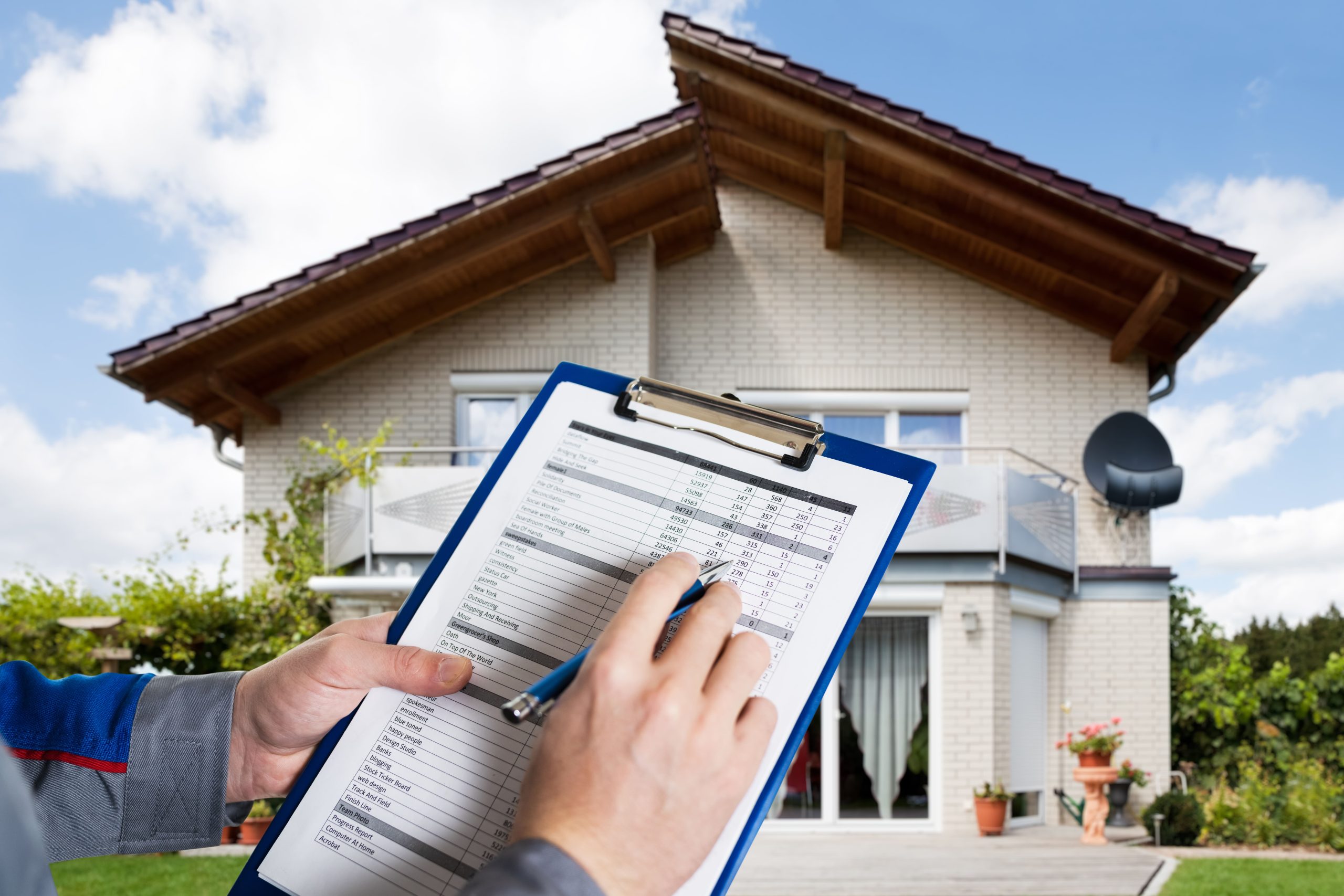
Check the foundation and overall structure for signs of problems, such as large cracks, uneven floors, sagging areas, or doors and windows that no longer close properly. These may indicate foundation issues, structural movement, or deterioration that may require further evaluation.
Understanding the condition of the home’s structure before making an offer can help you identify foundation concerns and structural concerns that may require professional attention. If significant problems are suspected, a structural engineer may be able to provide a more detailed evaluation.
Roof and Major Systems
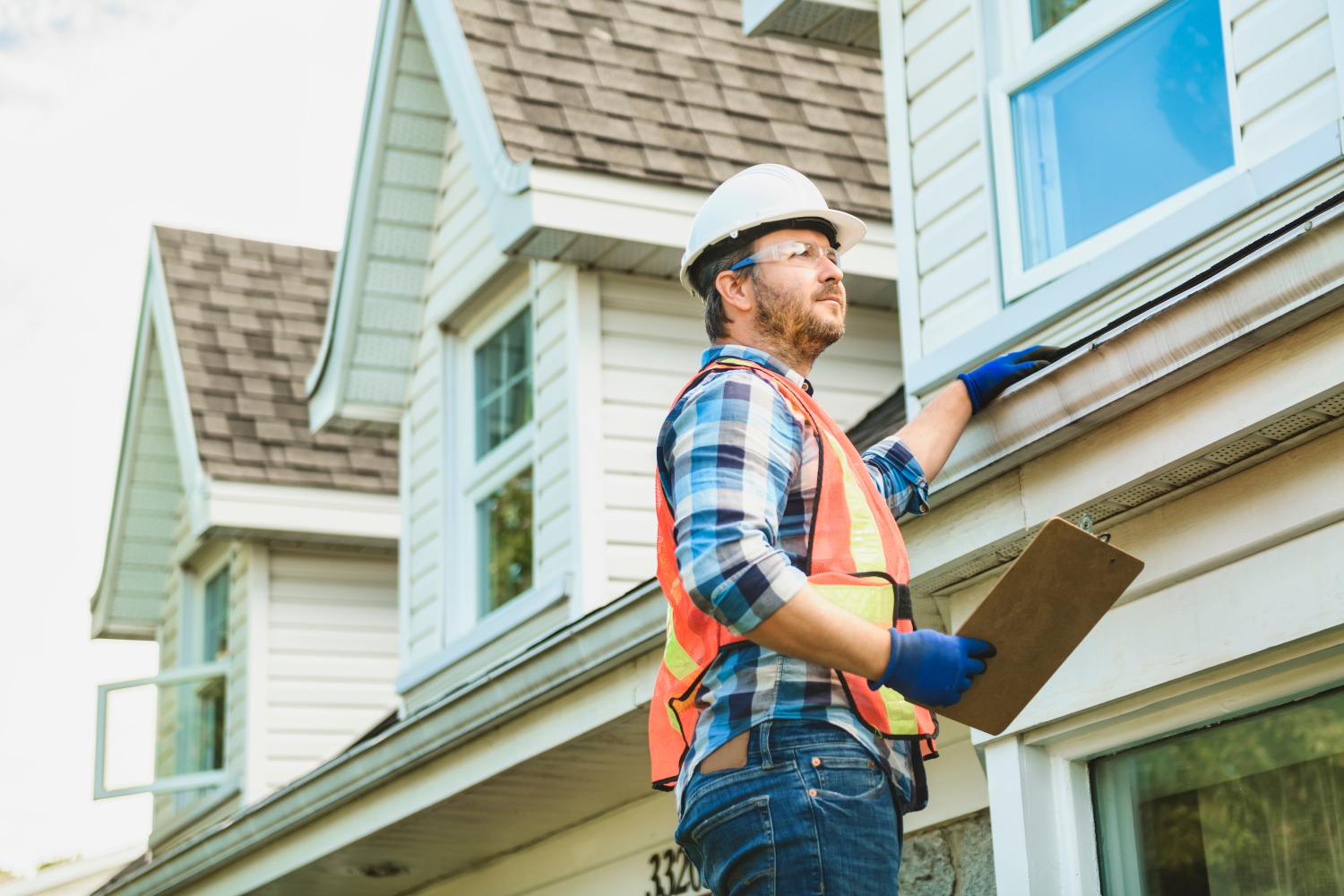
Check the roof’s age, condition, and repair history. Missing or damaged shingles, deteriorated areas, roof leaks, water intrusion, water stains, and visible wear can indicate that the roof may need repairs or replacement. Ask whether the roof has been repaired or replaced recently and whether there are records of previous work.
Review the age and condition of major systems, including electrical and HVAC systems. Ask when they were installed, whether they have been updated, and whether they have a history of repairs or maintenance. Older electrical wiring, outdated panels, or aging heating and cooling systems may require closer inspection.
Plumbing and Water Damage
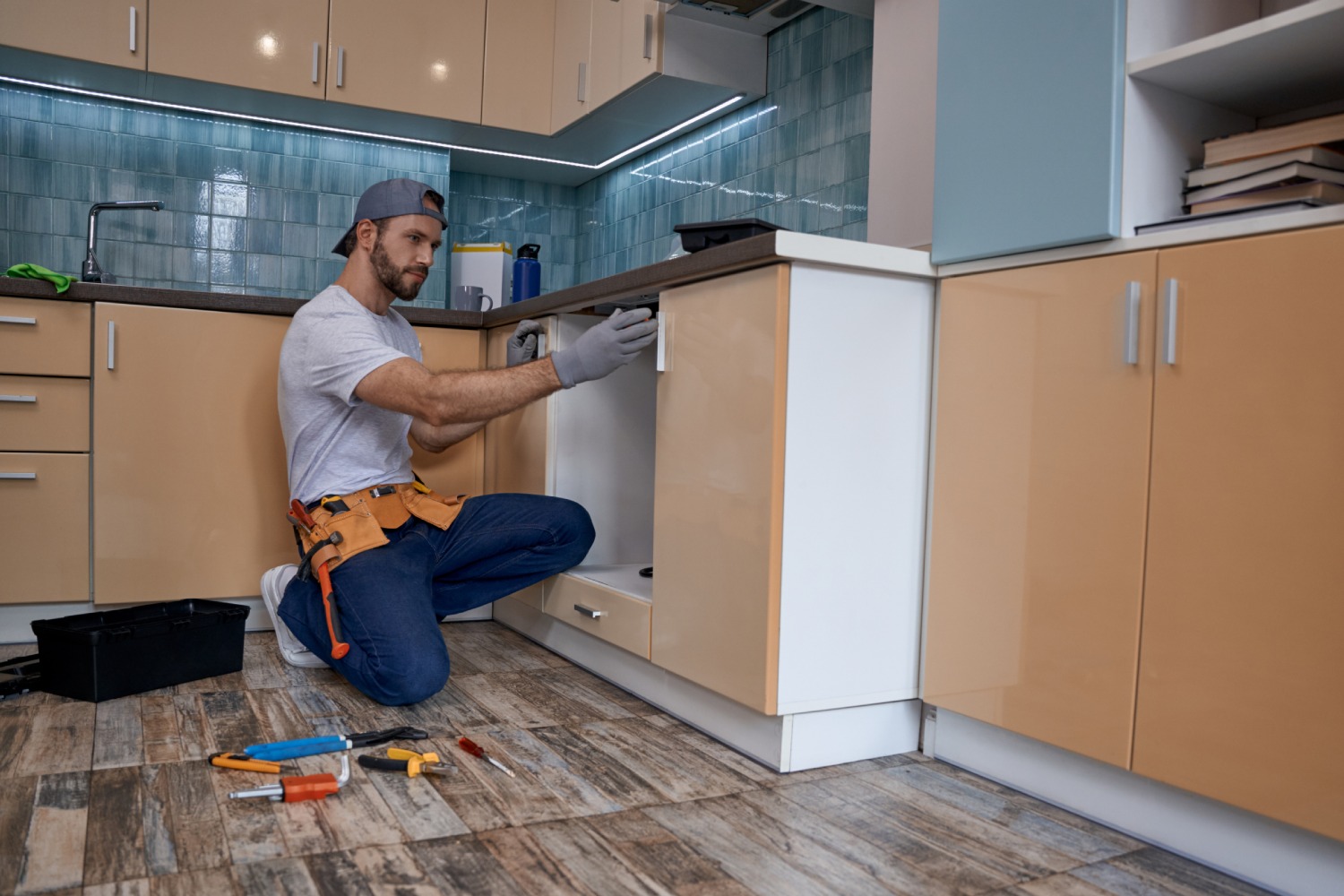
Inspect visible plumbing for leaks, corrosion, low water pressure, or other signs of deterioration. Ask about the age and material of the plumbing systems, particularly if it hasn’t been updated. Plumbing materials can affect how older pipes hold up over time. Older pipes may be more prone to leaks or corrosion, so ask whether any sections have been repaired or replaced.
Plumbing leaks can damage cabinets, flooring, walls, and other materials if they go unnoticed. Check areas around sinks, toilets, showers, and water heaters for signs of previous plumbing-related damage. Ask whether affected areas were repaired or replaced and whether the plumbing issue itself was addressed.

Previous Repairs and Renovations
Find out what major repairs and renovations previous owners have completed. Updates to the roof, plumbing, electrical system, HVAC, windows, or other parts of the property can show how it has been maintained over the years. Previous remodeling projects may also provide useful information about how the property has been updated.
Ask for available documentation, such as permits, receipts, warranties, or contractor records. If the house has additions or significant alterations, verify that the work was properly permitted and meets applicable building codes, as unpermitted work can create issues with future repairs, insurance, or resale depending on local requirements.
Future Repair and Maintenance Costs
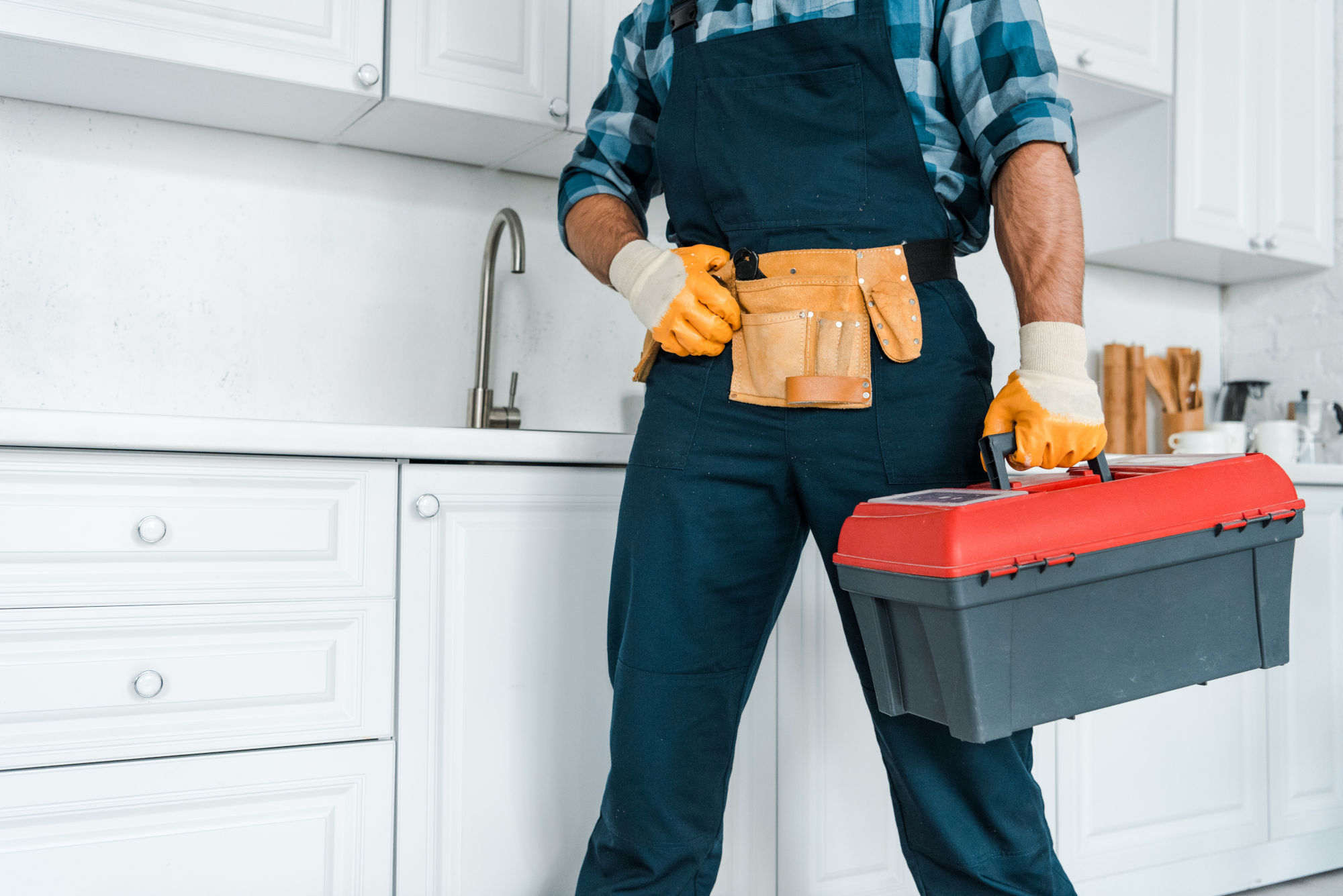
Consider which parts of the house may need attention in the coming years, even if the property is currently in livable condition. This can help you estimate future expenses and decide how much you are comfortable spending on the home. Hidden costs can arise from repairs, maintenance, insurance, and updates that may not be reflected in the property’s initial price.
Estimate these expenses before deciding how much you are comfortable spending when buying a home. Factor in both routine maintenance and larger repairs, including potential foundation repair, to get a better understanding of the property’s overall financial requirements beyond the purchase price. Considering the initial price alongside these costs can provide a clearer picture of the expenses involved in homeownership.
Professional Home Inspection
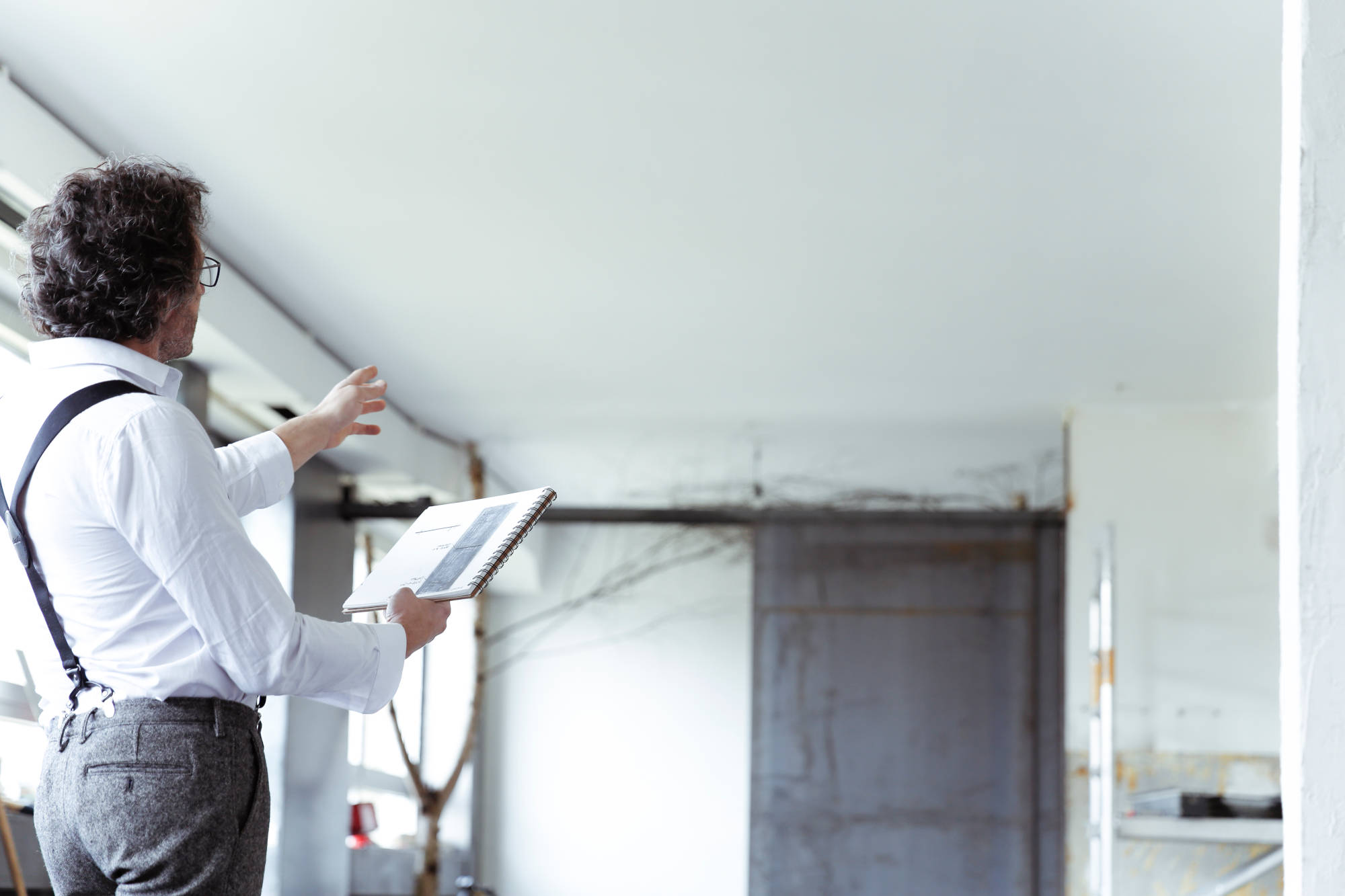
A professional home inspection provides an independent assessment of the property’s accessible areas and can uncover issues that are difficult to notice during a showing. A qualified home inspector can also identify concerns that may need further evaluation before you move forward.
For an older house, the inspection can give you a clearer understanding of its current condition and the repairs that may deserve attention. It may also help identify concerns such as lead-based paint that require further evaluation. Depending on the findings, you may also need additional evaluations from qualified professionals for specific concerns.
What Should You Know About the Property's Location and History?
The condition of the house is only part of the buying decision. Consider the property’s drainage, surrounding area, and history of flooding or storm damage, as these factors can affect maintenance, insurance, and ownership costs. If the property has experienced previous damage, ask what was repaired and whether any issues remain.
Also consider how the home’s surroundings fit your needs. Nearby roads, schools, services, neighboring properties, and potential future development can affect your experience of the property over time. Researching these factors before buying can help you understand what to expect from the location as well as the house itself.
What Are the Pros and Cons of Buying an Older House?
Pros of Buying an Older House
- Character and architectural details: Older houses may have distinctive features, materials, or architectural details that are less common in newer construction. A historic home may also have architectural character or a style that appeals to buyers who value older design.
- Established surroundings: Mature landscaping and established neighborhoods may appeal to buyers who prefer an area with an existing character.
- Potential for customization: Some older properties may offer opportunities to update rooms, finishes, or other features based on your preferences.
Cons of Buying an Older House
- More maintenance: Aging components may require regular maintenance, repairs, or eventual replacement.
- Outdated features: Older kitchens, bathrooms, layouts, fixtures, or storage areas may require updates to meet your needs. Outdated appliances may also need to be replaced or upgraded.
- Energy efficiency: Older windows, insulation, or mechanical systems may be less efficient than newer options and could require upgrades.
- Additional ownership costs: Repairs, modernization, and maintenance can add to the overall cost of owning the property.
Is an Older House Right for You?
Whether an older house is right for you depends on what you want from the property and what you are prepared to take on as an owner. Consider how the home’s condition, location, layout, and features fit your needs and lifestyle, as well as whether the expected maintenance and repair costs fit your budget.
Before committing to the purchase, review the inspection findings and consider any repairs or updates that could affect its property value. If the home’s benefits align with your priorities and you are comfortable with the work and costs involved, you can make a more informed decision about moving forward. If you’re considering an older house as an investment property, also consider its potential expenses, maintenance needs, and long-term value.
Ready to Take a Closer Look at an Older Home?
Buying an older home involves more than deciding whether you like its appearance or character. Understanding what you are taking on can help you set realistic expectations and decide whether the property fits your plans and budget. Buyers should also consider how repair costs, the mortgage, and ongoing expenses may affect the overall cost of ownership.
If you’re considering older homes, Justin Johnson Realty can guide you through the home-buying process and explore properties that fit your needs. Contact us to discuss your plans and take the next step toward finding the right home for you.